
Antártica, Antárti
What you’ll do
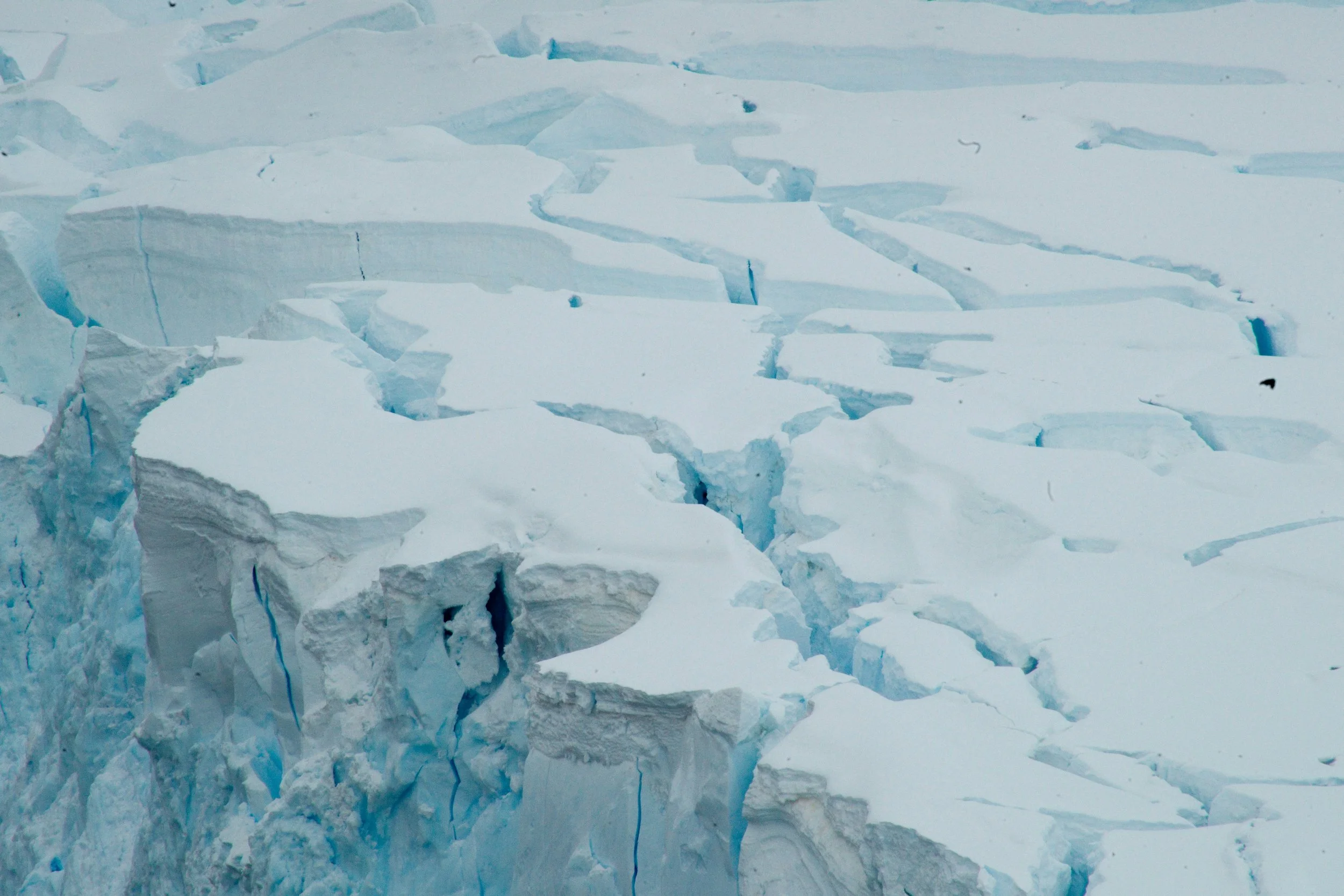
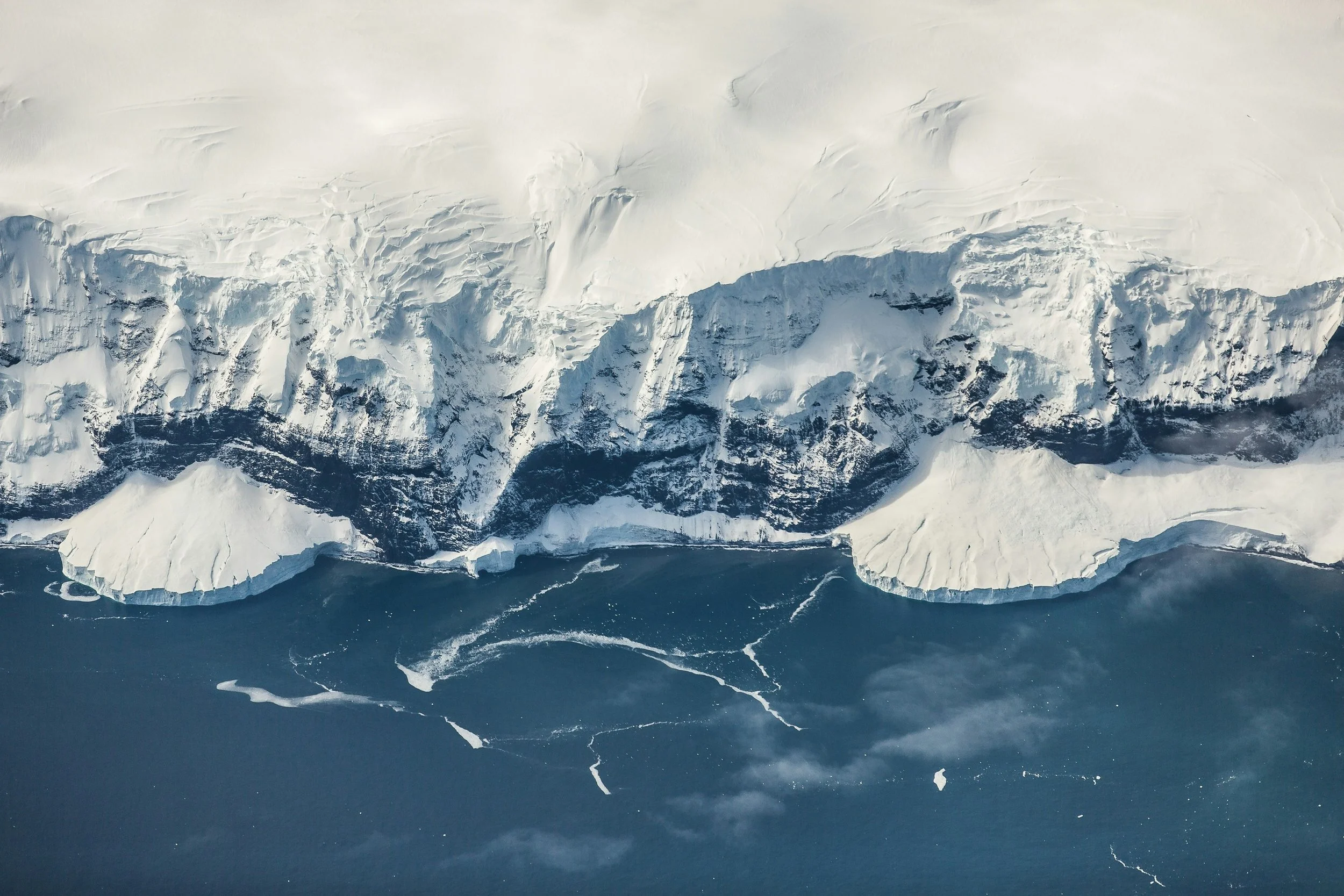
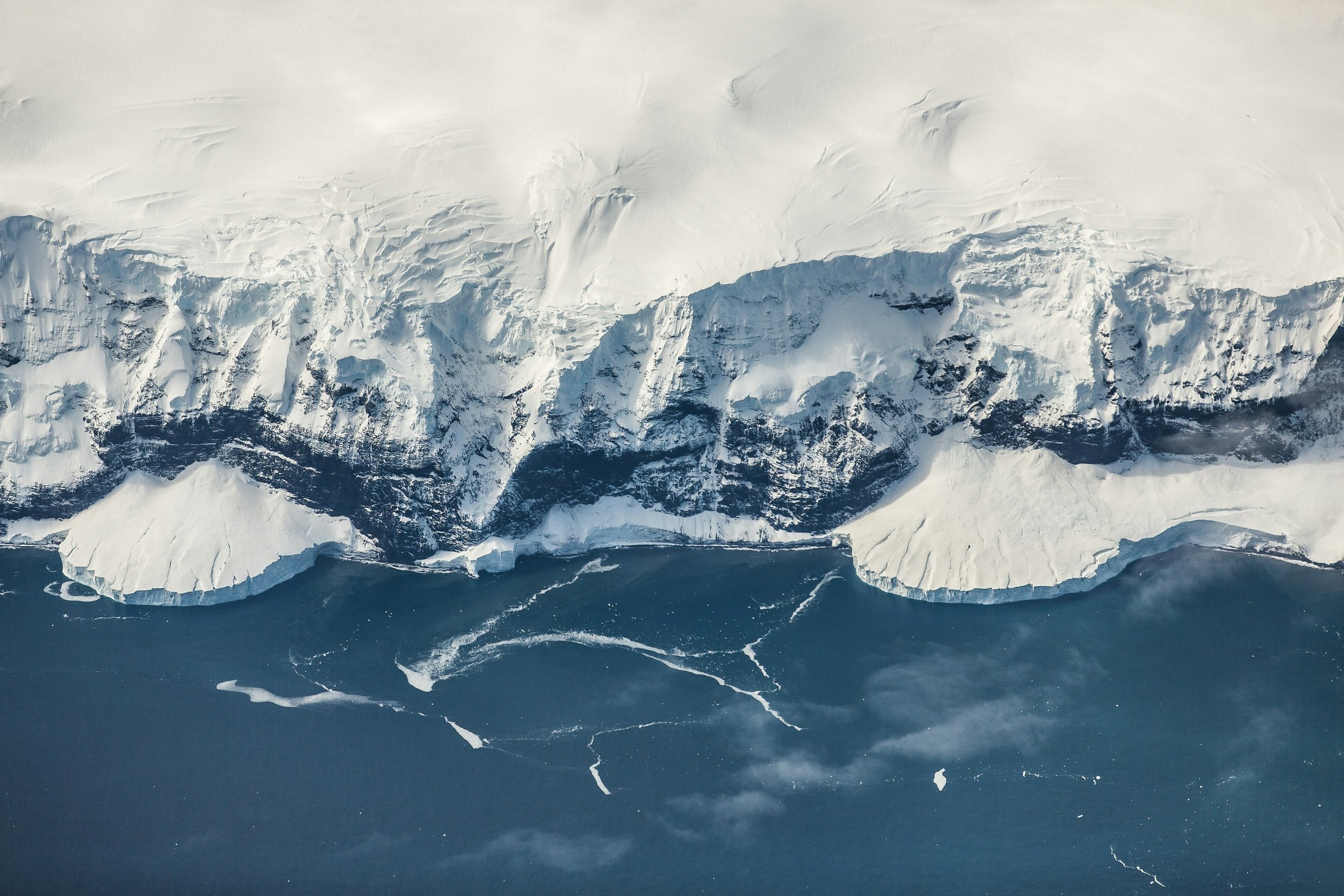
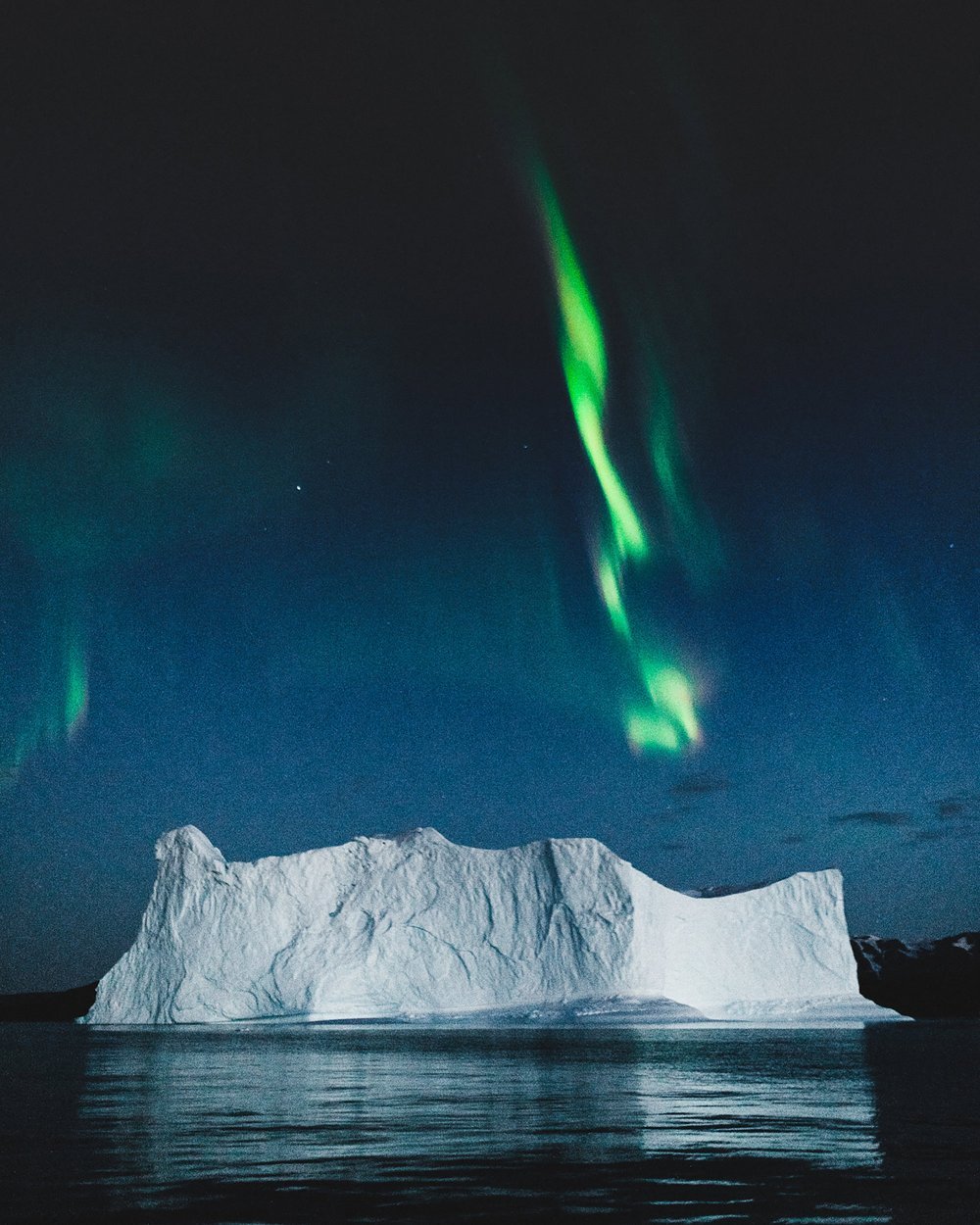
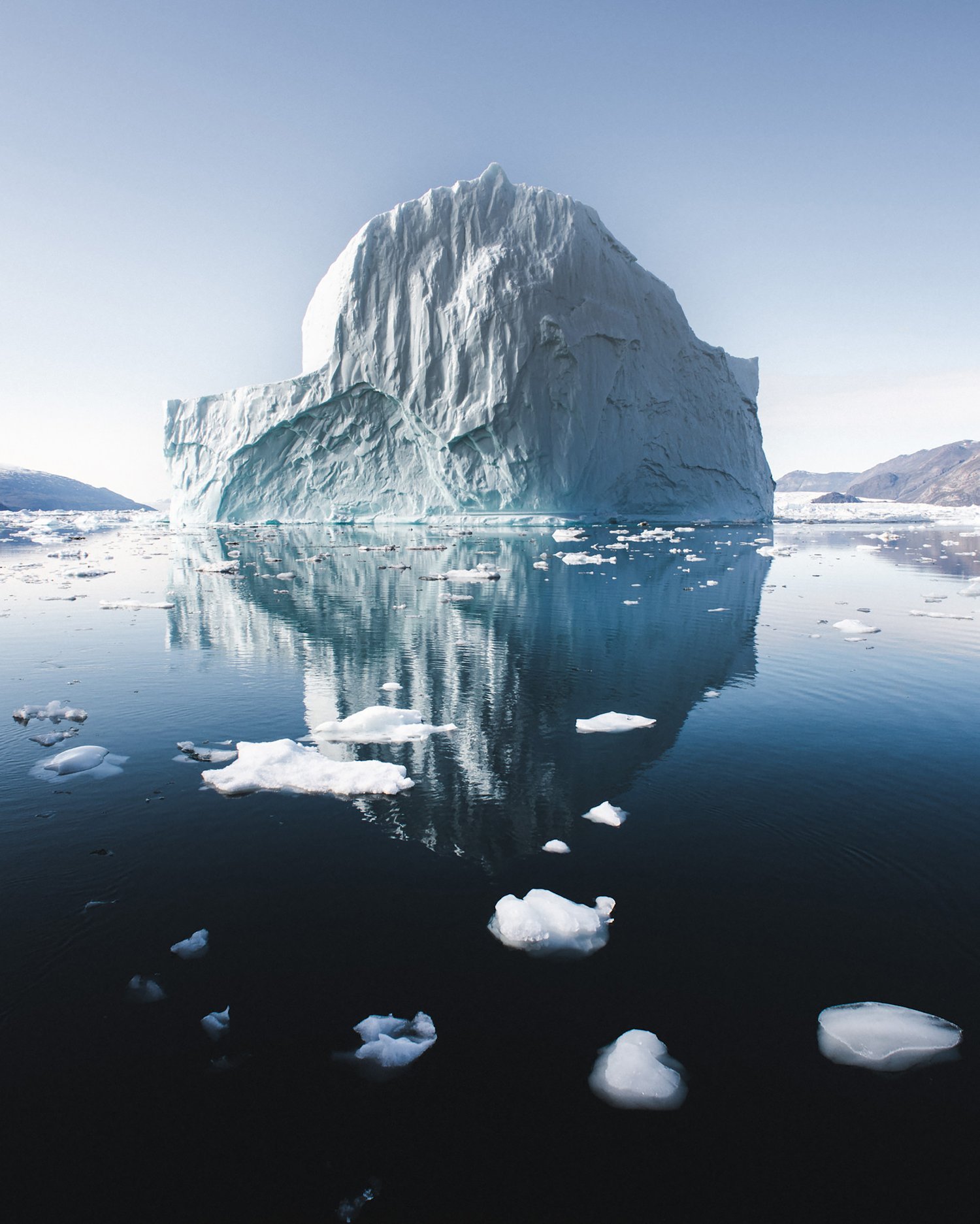
One of the planet's most remote and pristine environments. You’ll navigate the icy waters of the Antarctic Peninsula, where endless white mountains stretch to the horizon and massive glaciers churn icebergs into the sea.
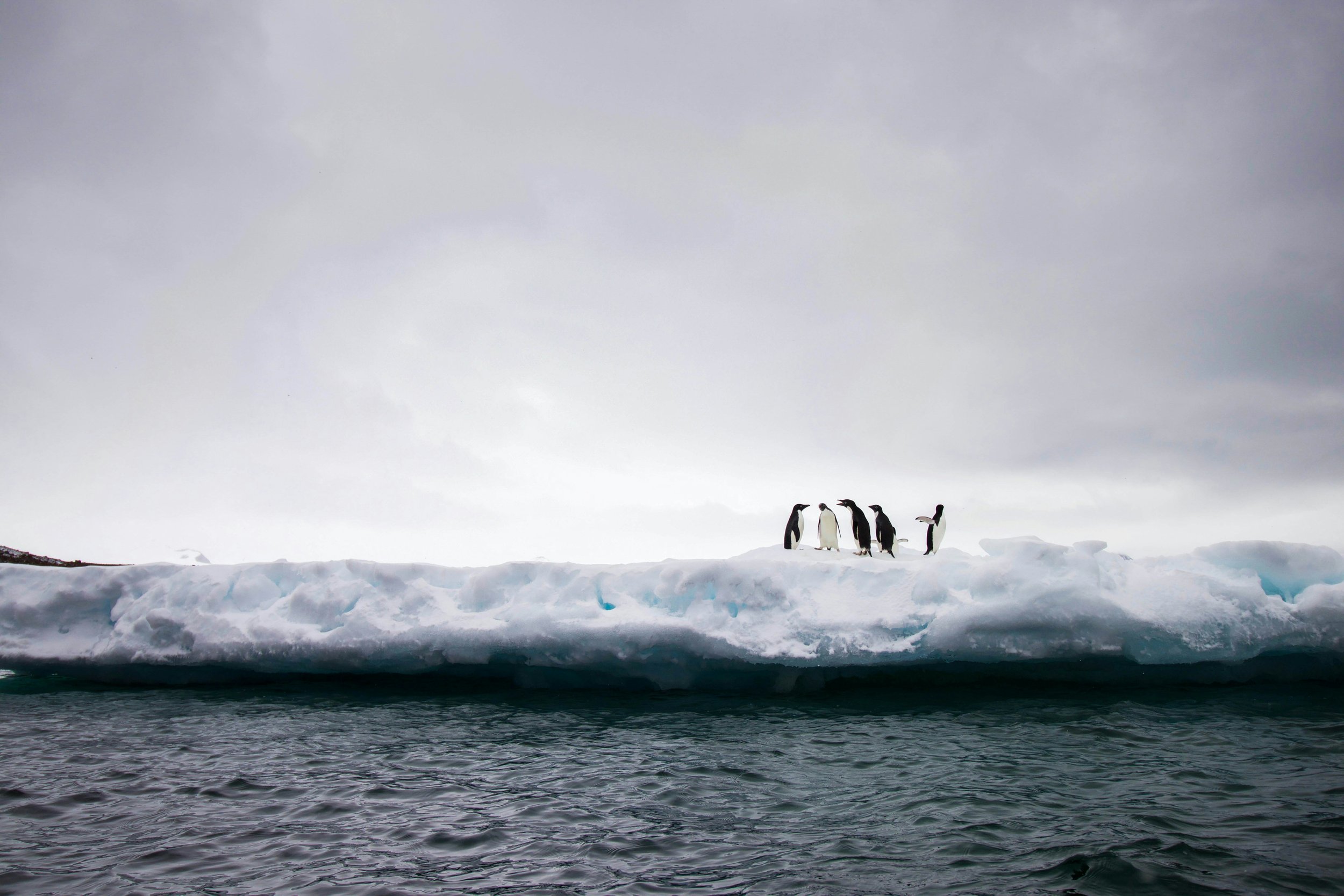
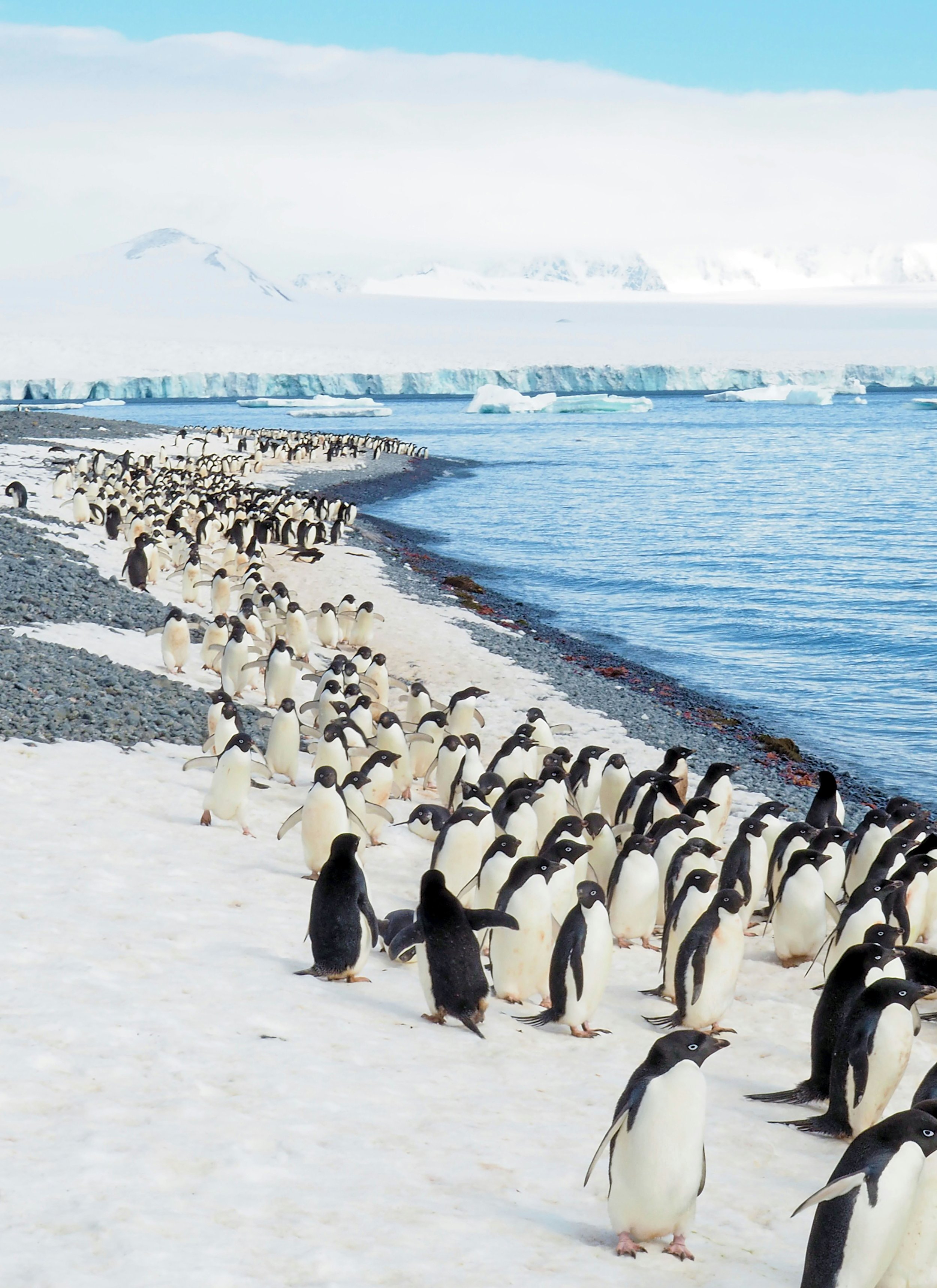
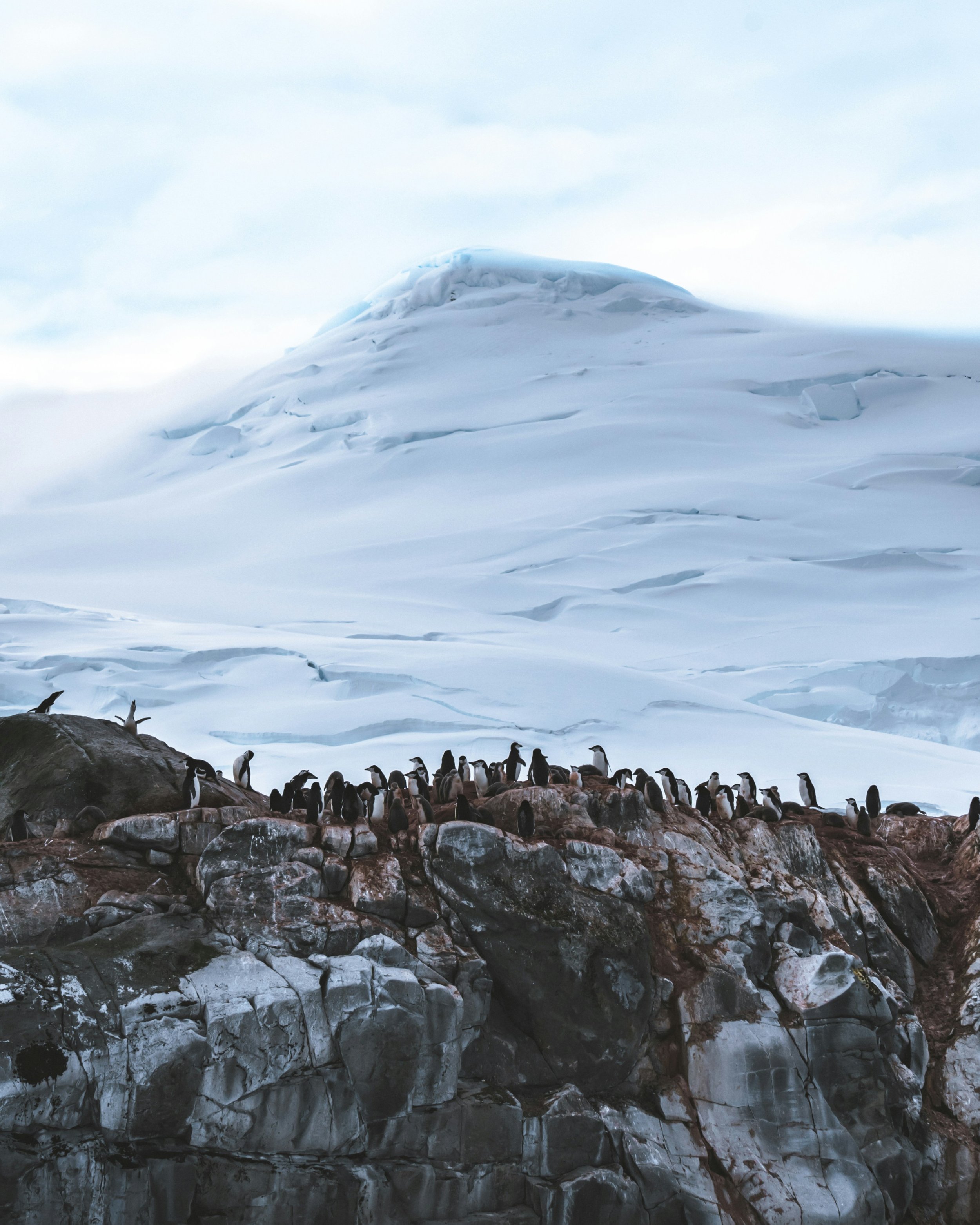
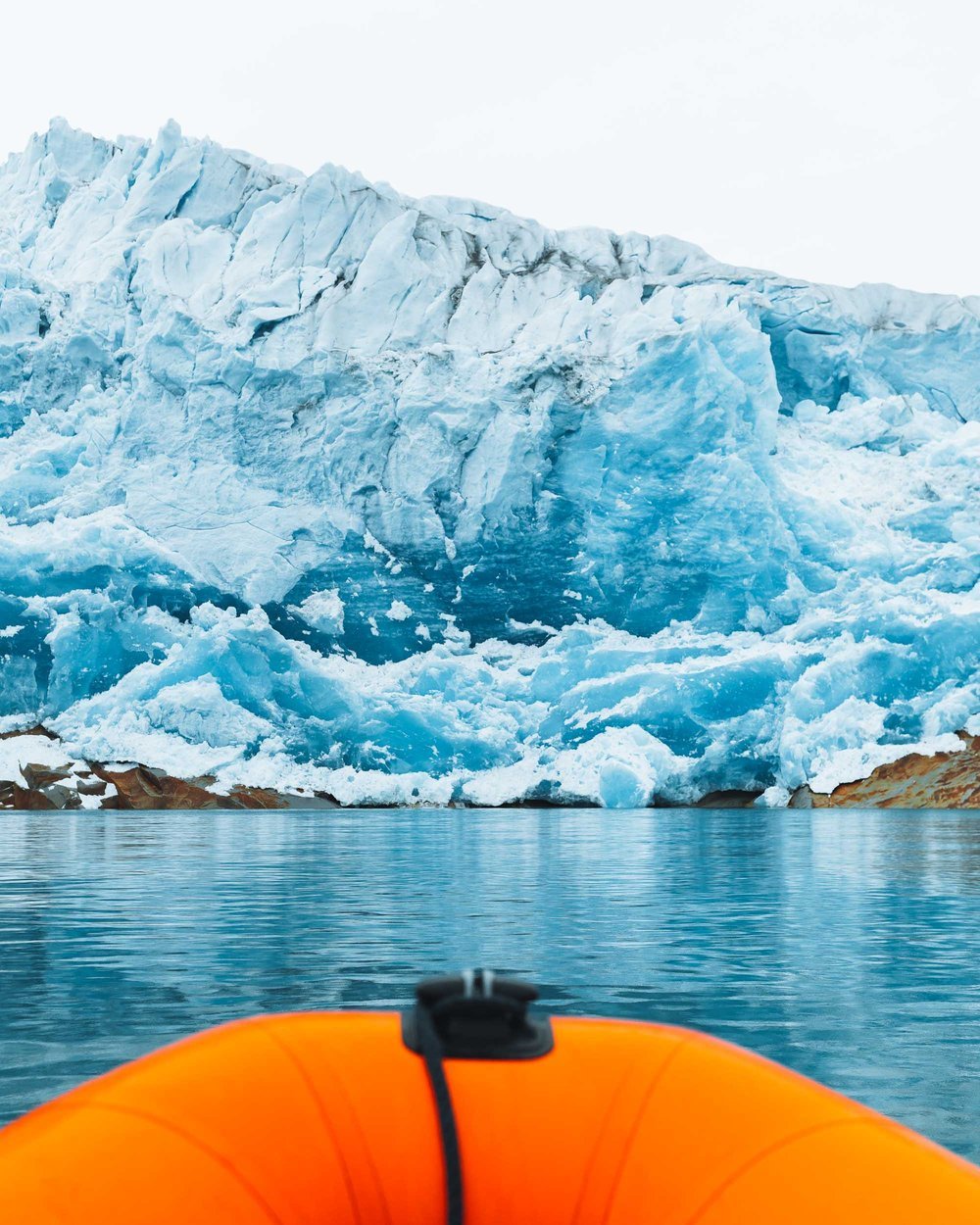
Did you know that Antarctica is the coldest, driest, and windiest continent? Despite these harsh conditions, it is teeming with wildlife. Penguins waddle adorably along the shores, seals bask lazily on ice floes, and the icy waters come alive with the majestic breaches of humpback and orca whales. Each day, accompanied by a team of expert scientists and naturalists, you will embark on different excursions. Whether walking along snowy beaches or gliding past towering icebergs by Zodiac or kayak, you'll be fully immersed in the stark and stunning beauty of this otherworldly landscape. This expedition promises an unforgettable journey into the untouched, raw splendor of our planet's final frontier.
Getting there
The most common gateway is Ushuaia, Argentina, the southernmost city in the world. From here, ships cross the infamous Drake Passage in roughly two days, entering the Southern Ocean where the Atlantic and Pacific meet. Most Antarctic voyages last 10 to 14 days, including four days at sea for the round-trip crossing and six to ten days exploring the Antarctic Peninsula and surrounding islands. Longer expeditions—up to 20+ days—push farther south into the Weddell Sea or combine Antarctica with the Falkland Islands and South Georgia.
Stay
Your home in Antarctica is an expedition vessel designed to explore the world’s most remote waters. Both options below balance comfort and capability, with cozy cabins, panoramic observation lounges, and expedition gear provided.
Quark Expeditions: Specialists in polar travel, Quark offers a range of small to mid-sized ships with ice-strengthened hulls, expert polar guides, and a focus on adventure—think kayaking among icebergs, camping on the ice, and zodiac landings at penguin colonies.
National Geographic Expeditions: Operated with Lindblad Expeditions, these voyages combine comfort with deep storytelling. Onboard naturalists, scientists, and National Geographic photographers lead lectures, photography workshops, and land excursions, turning each day into a living documentary. More on National Geographic-Linblad expeditions in Antarctica below:
Worth knowing
Antarctica’s travel season runs from November to March, when the ice eases its grip and wildlife is at its most active, early summer brings pristine snow and courtship displays, while later months see penguin chicks and more accessible landing sites.
Nat Geo - Linblad expeditions carry a team that may include naturalists, undersea specialists, photographers, historians, cultural specialists, and wellness specialists, including a doctor on most of our ships. Many of our experts have decades of field experience, as well as advanced degrees in topics that include marine biology, anthropology and geology.
Let’s fly
Got a journey in mind? Tell us about your ideal trip.
Once we hear from you, we’ll schedule a one-on-one call to get to know you better.
From there, we’ll start designing something uniquely yours.